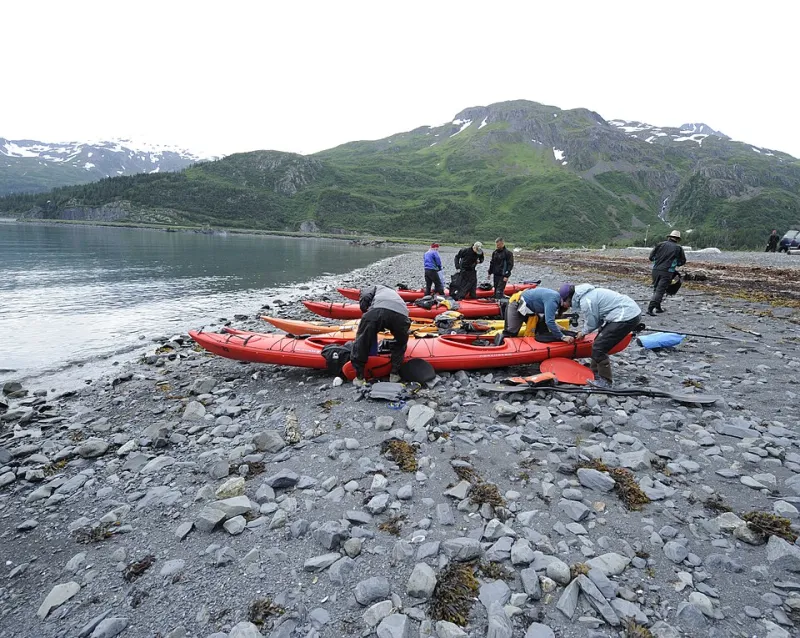
Forget the Flight: Why the 5 A.M. Trailhead Twenty Minutes From Your House Is the Best Deal in American Adventure
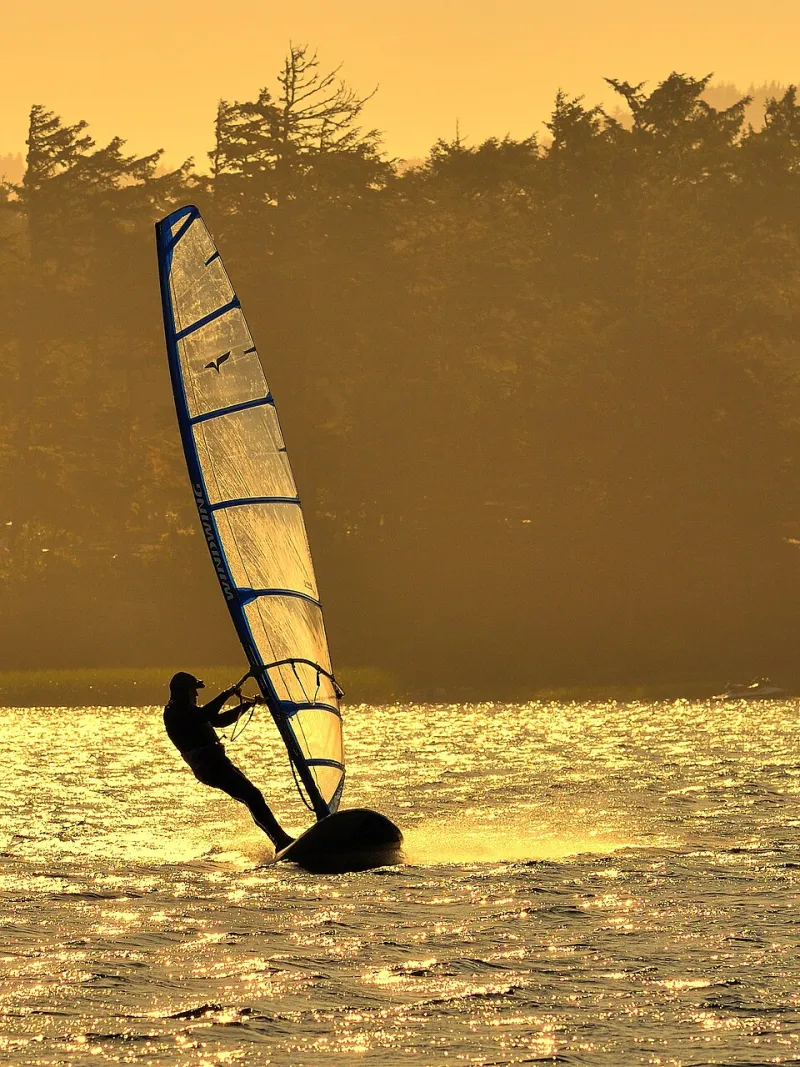
Photo: Frank Price Bureau of Land Management Oregon and Washington from Portland, America, Public domain, via Wikimedia Commons
There's a specific kind of magic that happens at a trailhead at 5 a.m. on a Tuesday. The parking lot is empty. The air smells like wet pine and possibility. And the only person who knows you're out there is you.
Most of us treat adventure like it requires a passport, a PTO request, and a spreadsheet. But the truth nobody wants to admit? The most accessible adventure real estate in America isn't in Patagonia. It's the patch of woods, water, and rock sitting inside a 30-minute drive of your front door — and most of us drive past it every single day without a second glance.
The Math That Changes Everything
Run the numbers on a typical big trip: flights, rental car, lodging, gear you swore you needed, meals out. You're looking at $1,500 to $4,000 and 40+ hours of travel time. Meanwhile, a sunrise hike costs you a tank of gas and four hours, and you can do it fifty-two weeks a year.
The compounding effect is what gets people. Fifty close-to-home adventures a year builds more skill, more fitness, and more genuine connection to a landscape than two blowout trips ever will. It's the difference between dating the outdoors and being married to it.
Your State's Most Overlooked Wild Spots
Every state has an urban-adjacent gem that locals underrate because it's "right there." A few worth building a Tuesday around:
- Arizona: Phoenix's McDowell Sonoran Preserve — 60 miles of desert singletrack that most visitors never touch because they're headed to the Grand Canyon.
- Colorado: Denver's own Mount Falcon Park, where you can catch sunrise over the plains before most of the city's alarm clocks go off.
- Georgia: Sweetwater Creek State Park, 20 minutes from downtown Atlanta, with whitewater views and Civil War ruins.
- Illinois: Chicago's Lake Michigan shoreline at dawn — the lake acts like an ocean, and the sunrise paddles are criminally ignored.
- Missouri: St. Louis's Castlewood State Park, where the Meramec River bends through bluffs most locals associate only with high school cross country practice.
- New York: The Hudson Highlands, reachable by train from Manhattan. No car required.
- Oregon: Portland's Powell Butte, an extinct volcanic cinder cone with meadow trails and zero crowds.
- Tennessee: Knoxville's Urban Wilderness — 60-plus miles of trail inside city limits.
- Washington: Seattle's Discovery Park lighthouse loop at low tide, when the entire Puget Sound seems to belong to you.
If your state isn't listed, don't sulk — open Google Maps, find the biggest green blob within 30 minutes, and go investigate. That's how this works.
Building Your "Shed Radar"
We call it shed radar — the habit of spotting adventure potential in the places you already pass. Named for the deer shed hunter who notices every fence line, creek crossing, and overgrown cut on the drive to work.
Here's the framework:
1. Map your orbit. Draw a 30-minute circle around home and work. Every green space, blue line, and gray void inside it is a candidate.
2. Audit your dead hours. Sunrise, lunch breaks, the 6 to 8 p.m. window. Most people have 10 to 15 usable adventure hours a week hiding in plain sight.
3. Pick a craft per season. Spring trail running, summer flatwater paddling, fall ridge hikes, winter snowshoe or cold-water missions. Rotation keeps it fresh.
4. Pre-pack the car. A trunk kit — shoes, headlamp, dry bag, water — removes the friction that kills weeknight plans.
5. Track streaks, not summits. Log outings, not epic-ness. The goal is frequency, which is the only metric that actually builds an adventurer.
The 5 A.M. Advantage
Why sunrise? Three reasons. First, light — golden, low, and free. Second, solitude — even the most popular urban trail is a monastery at dawn. Third, psychology — starting the day with something you chose, something wild, rewires how the other 16 hours feel.
The 5 a.m. trailhead won't get you likes from strangers. It'll get you something better: a life where adventure isn't an event you schedule twice a year, but a habit you can't shake. Chase the wild where it actually lives — right down the road.