Nobody Flies Home From Their Own Backyard: The Case for Mastering One Landscape Before You See Ten
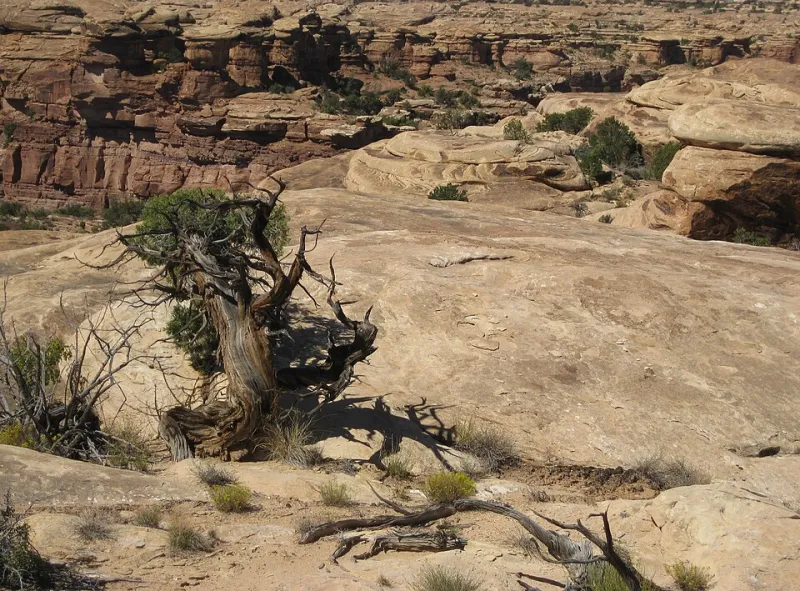
Photo: brewbooks from near Seattle, USA, CC BY-SA 2.0, via Wikimedia Commons
Here's an opinion that won't win me friends in the airport lounge: your passport is doing less for you than you think.
Scroll through any adventure feed and you'll see the same story told on repeat — Iceland's ring road, Patagonia's towers, a Bali waterfall with exactly one person in frame. We've built a culture where distance equals credibility, where a weekend in a foreign range somehow outranks a decade of knowledge about the hills out your back window.
I'd argue the opposite is true. Depth beats breadth. And the adventurer who knows one landscape the way a musician knows an instrument will run circles around the collector of stamps.
What Fly-By Travel Can't Teach You
A ten-day trip gives you a snapshot. It can't teach you how a place changes.
It can't show you how the light moves across a ridge in February versus July. It can't teach you which drainage floods first when the spring melt comes, or which trail the elk abandon when the hunting season opens. It can't introduce you to the ranger who's worked the same district for 22 years and will tell you, off the record, which route to skip after heavy rain.
That kind of knowledge only comes from repetition. From seeing the same mountain in four seasons, in five moods, in failure and in triumph. That's not tourism. That's relationship.
The Skill Stack Nobody's Selling
Here's what deep local knowledge actually builds:
Weather fluency. After a year of watching one watershed, you'll read clouds like text. You'll know that the marine layer burns off by ten, that the afternoon cells stack up over the west ridge, that the river crests 36 hours after the rain stops. That instinct transfers everywhere — including to those exotic destinations you're dreaming about.
Wildlife literacy. Knowing when the black bears move through the oak flat, where the rattlesnakes sun themselves in April, which meadow the Sandhill cranes use as a rest stop — this is knowledge that makes you safer, quieter, and more welcome in wild places.
Failure immunity. When you know a place deeply, you know its bail-out routes, its water sources, its lies. A traveler on trip number three of the year is navigating with a map. A local expert navigates with memory. Guess which one handles a surprise storm better.
The Identity Trap
Part of why we chase distance is that "local expert" doesn't sound sexy at a dinner party. "I just got back from Patagonia" does.
But flip it around. The person who has thru-hiked their home range three times, who can name every creek and every old fire road, who has watched a forest recover from a burn over five years — that person has something rarer than a vacation photo. They have belonging. And belonging, it turns out, is the thing most of us were actually looking for when we booked the flight.
There's a quiet confidence that comes from being needed on a trail — from being the person others ask when conditions turn. That status isn't purchasable. It's earned in reps.
How to Go Deep Without Going Bored
Worried one landscape will get stale? It won't, if you do it right:
- Pick a watershed, not a trail. A whole drainage offers years of route combinations.
- Travel it by different means. Hike it in spring, paddle it in summer, run it in fall, snowshoe it in winter. Same place, four different planets.
- Keep a field journal. Dates, weather, wildlife, water levels. Within a year you'll have data no app can replicate.
- Learn the names. Plants, birds, peaks, and the people who've stewarded the land before you. Naming is the first act of belonging.
- Take responsibility for a piece of it. Adopt a trail section, join a local trail crew, remove invasives. Stewardship is the deepest form of expertise.
None of this means never travel far. Go to Patagonia. Go to Iceland. But go as someone with roots, not just wings. The wild within 30 miles of your house is waiting to be known — and it's the only landscape that will know you back.