Gone Alone, Never Lonely: The Unexpected Social Life of the Solo Adventurer
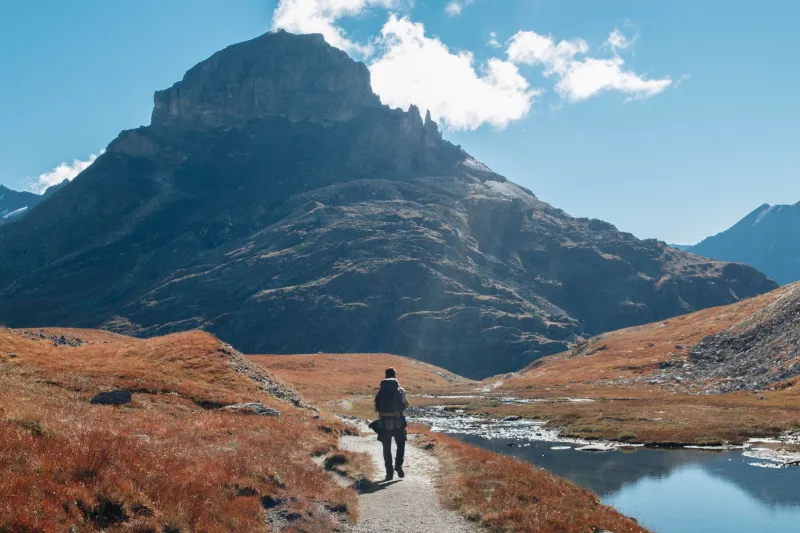
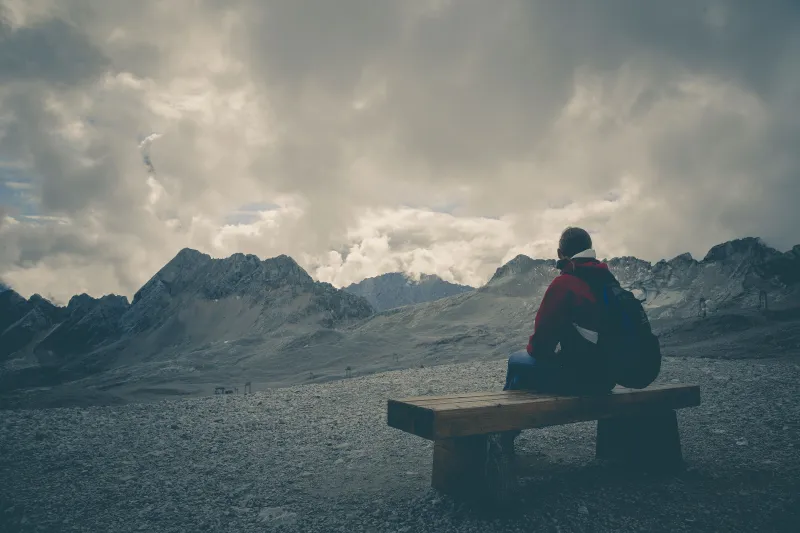
Every solo traveler knows the look. You mention you're heading out alone — into the backcountry, across a new state, through a national park with no itinerary and no company — and you get it. The slight tilt of the head. The concerned pause. Alone? Won't you be lonely?
And the honest answer, if you've done it, is something like: not really. Actually, sometimes the opposite.
There's a paradox at the center of solo adventure that doesn't get talked about enough. Going alone is often the fastest route to genuine human connection — not despite the solitude, but because of it.
What a Group Does to Your Social Radar
Travel with other people and you bring your social world with you. The conversations, the inside jokes, the established dynamics, the subtle negotiations about where to eat and when to stop — all of it creates a kind of bubble. You're always in relationship with the people you came with, which means you're rarely fully available to the people you encounter along the way.
A stranger at a trailhead says something interesting and you half-listen because your friend is telling a story. Someone at the camp next to yours is clearly a wealth of local knowledge and you never quite find the moment to ask. The family at the overlook would have made great conversation but your group was already moving.
Solo travel removes the bubble. There's no internal social world to retreat into, which means you're genuinely present to whoever shows up.
And people show up in the most unexpected ways when you're alone.
The Openness That Solitude Creates
Something shifts in you when you've been alone in the wilderness for a full day. The noise in your head settles. You become more observant — of the landscape, yes, but also of other people. You start noticing things you'd filter out in a group. The weathered guy at the water source who's clearly done this trail fifty times. The solo section hiker who's been on trail for three months and has the eyes of someone who's seen a lot. The ranger who, if you actually stop to talk instead of just nodding past, turns out to be a bottomless source of stories about the place you're standing in.
Solo travelers also read as more approachable to strangers. There's something about a person alone that signals availability. Groups are closed systems. A solo traveler is an open one.
This creates a specific kind of social serendipity that's almost impossible to engineer in a group setting. You can't plan the conversation that happens when you're both sheltering under the same tree in a rainstorm. You can't schedule the moment a stranger shares their camp stove because yours failed and then ends up sharing their dinner too. Those things happen in the margins, and solo travel is mostly margins.
Trail Communities Are Real and They're Underrated
Anyone who's spent time on a long trail in the US — the Appalachian Trail, the PCT, the Colorado Trail, the Ouachita — knows that the solo hiker experience is less solitary than it sounds. These corridors develop their own cultures, their own social networks, their own temporary communities that form and reform over hundreds of miles.
You meet someone at a shelter in Georgia and cross paths with them again in Virginia. You share a resupply town with the same loose cluster of hikers for three days and then scatter, only to reconvene at a hostel two weeks later. The social structure is fluid and self-organizing in a way that's genuinely unlike anything in regular life.
And because everyone in that community is having a version of the same stripped-down, physically demanding, emotionally honest experience, the connections tend to go deep fast. You skip the small talk. You skip the performance. You're all just people out here doing a hard thing, and that's enough of a foundation to build something real on.
The Campfire Effect
There's a specific phenomenon that solo travelers encounter at campgrounds, hostels, trailheads, and backcountry campsites across the country. Call it the campfire effect.
When you're alone, you're more likely to accept an invitation to join someone else's fire. You're more likely to extend one. You're more likely to linger in a conversation that's going well instead of feeling pulled back toward your group. And campfire conversations — fueled by darkness, physical tiredness, and the particular vulnerability that comes from being far from home — tend to go places that normal conversations don't.
People tell you things at a campfire they wouldn't say at a dinner party. You hear real stories. You share real things. Sometimes you exchange contact information and sometimes you don't, but either way you leave carrying something that changes how you see the world a little.
That's not a small thing. That's actually kind of the whole point of going.
How to Cultivate Connection Without Losing the Solo Experience
The goal isn't to turn solo adventure into a constant social exercise. The solitude is the point too — the self-reliance, the quiet, the uninterrupted relationship with the landscape and with yourself. The trick is staying open without losing the thread of why you went alone in the first place.
A few things that tend to work.
Slow down at natural gathering points. Trailheads, water sources, shelters, camp stores, town resupply spots — these are the places where solo travelers naturally converge. Give yourself time there instead of rushing through.
Ask specific questions. "Where are you headed?" opens a conversation. "What's the best thing you've seen on this trail?" opens a person. Specificity signals genuine interest, and genuine interest is rare enough that people respond to it.
Let go of the agenda sometimes. The best encounters on solo trips tend to happen when you're not trying to make them happen. You can't force serendipity, but you can make yourself available to it by being a little less rigid about the plan.
And then, when you're ready, go back to the quiet. The solitude and the connection aren't in competition. They feed each other in ways that are hard to explain until you've experienced it.
The People You Meet Alone
Ask any veteran solo traveler about the people they've met on the road and you'll get a list that reads like a novel. The retired schoolteacher doing her first solo backpacking trip at sixty-three. The thru-hiker who'd been on trail for four months and was more philosophically interesting than anyone you'd meet in a city. The stranger who turned out to live twenty minutes from your house back home and became a genuine friend.
Those encounters don't happen on the group trip. They can't. The group is already full.
Go alone. Leave room. See who shows up.