Love the Town or Wreck the Town: Adventure Travelers Hold the Future of Small-Town America in Their Hands

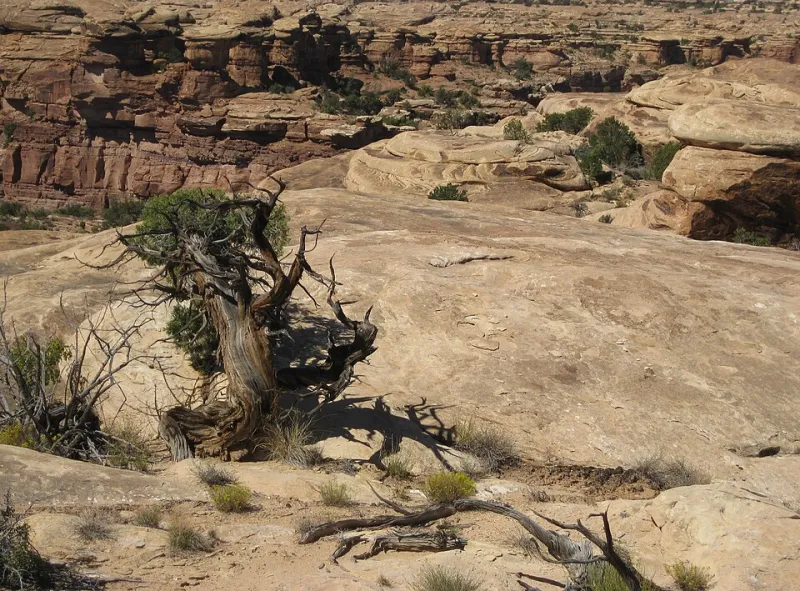
Photo: Photograph by Mike Peel (www.mikepeel.net)., CC BY-SA 4.0, via Wikimedia Commons
Thirty years ago, Fayetteville, West Virginia was a town you drove through on your way to somewhere else. The coal and timber jobs had faded, storefronts sat empty, and young people left as fast as they could. Then the New River Gorge — which was always there, mind you — got discovered by the climbing world, and everything changed.
Today Fayetteville has coffee shops, breweries, gear stores, and a tourism economy that keeps its Main Street alive. It's a story playing out across the country: Bend, Oregon; the communities around Asheville, North Carolina; Moab, Utah; Salida, Colorado; Hood River, Washington. Adventure travelers didn't just visit these places. They resurrected them.
But lately, another story is running underneath the first one — and if we're honest, we're part of that one too.
The Two-Sided Revival
The good news first. Outdoor recreation generates hundreds of billions in economic activity annually, and much of it flows into rural communities that manufacturing left behind. A climbing area or a mountain bike trail system can be a small town's most reliable import — bringing money in without requiring a factory.
Local governments noticed. Trail towns now market themselves with mountain ranges on their water towers and singletrack on their welcome signs. Climbing routes and paddle rapids have become economic development strategies.
Now the tension. The same visitors who save Main Street can price out the people who live on it. Short-term rentals gobble up housing stock that locals — teachers, firefighters, the folks who actually run the trailhead shuttle — can no longer afford. In gateway towns across the West, service workers commute an hour or more because the town they serve has become a place they can't afford to sleep in.
Add cultural friction — newcomers who treat a town like a theme park, locals who resent being backdrops in someone's vacation photos — and you've got a genuine problem wearing a very cute hiking outfit.
How to Be a Good Guest
None of us want to be the reason a town stops being a town. The good news: being a positive force isn't complicated. It just requires intention.
Visit in the off-season. Shoulder-season trips — late fall, mud season, midweek winter — spread the economic benefit across the year instead of crushing towns in a ten-week window. Bonus: fewer crowds, cheaper rooms, better light for photos.
Spend like you live there. Skip the chain gas station sandwich. Buy from the local bakery, the gear shop run by the woman who first-ascended half the crag, the hardware store that's been on Main Street since 1954. Every dollar spent locally is roughly twice as likely to stay in the community.
Pay for parking. And then some. Many trail towns fund trail maintenance, restrooms, and search-and-rescue through parking fees and local taxes. Pay them without grumbling. Better yet, drop five bucks in the trailhead donation box on your way out.
Learn the local rhythm. Some trailheads close at dusk for a reason. Some roads are working forest roads, not scenic byways. Some climbing areas sit on private land held open through sheer landowner goodwill. One bad actor can close access for everyone. Don't be the bad actor.
Leave the trailhead nicer than you found it. This is the baseline, not the bar. Pack out your trash, yes — but pick up the other guy's too. Join a trail work day if one's happening. Volunteer once and you stop being a tourist.
Tip the shuttle driver. And the bartender. And the guide. The people serving adventure travelers are often underpaid and priced out of their own hometowns. Generosity costs you little and means a lot.
Say hello like you mean it. Locals can spot a drive-through visitor in seconds. Ask a question. Learn a name. Admit you're visiting. Small towns extend real warmth to people who show real interest — and real coldness to people who don't.
The Long Game
Here's the thing about trail towns: they work when they stay towns. The moment a place becomes purely a destination — a stage set for visitors — it loses the very character that attracted everyone in the first place. Bend without locals is just a nice trailhead with traffic.
So the next time you roll into a town with a river running through it and a new crag on the map, remember: you're not just a consumer of the place. You're a participant in its future. Chase the wild, live the story — but leave the town a little better than the version you found. That's the only kind of adventure tourism worth having.